Poverty Alleviation and Rural Development
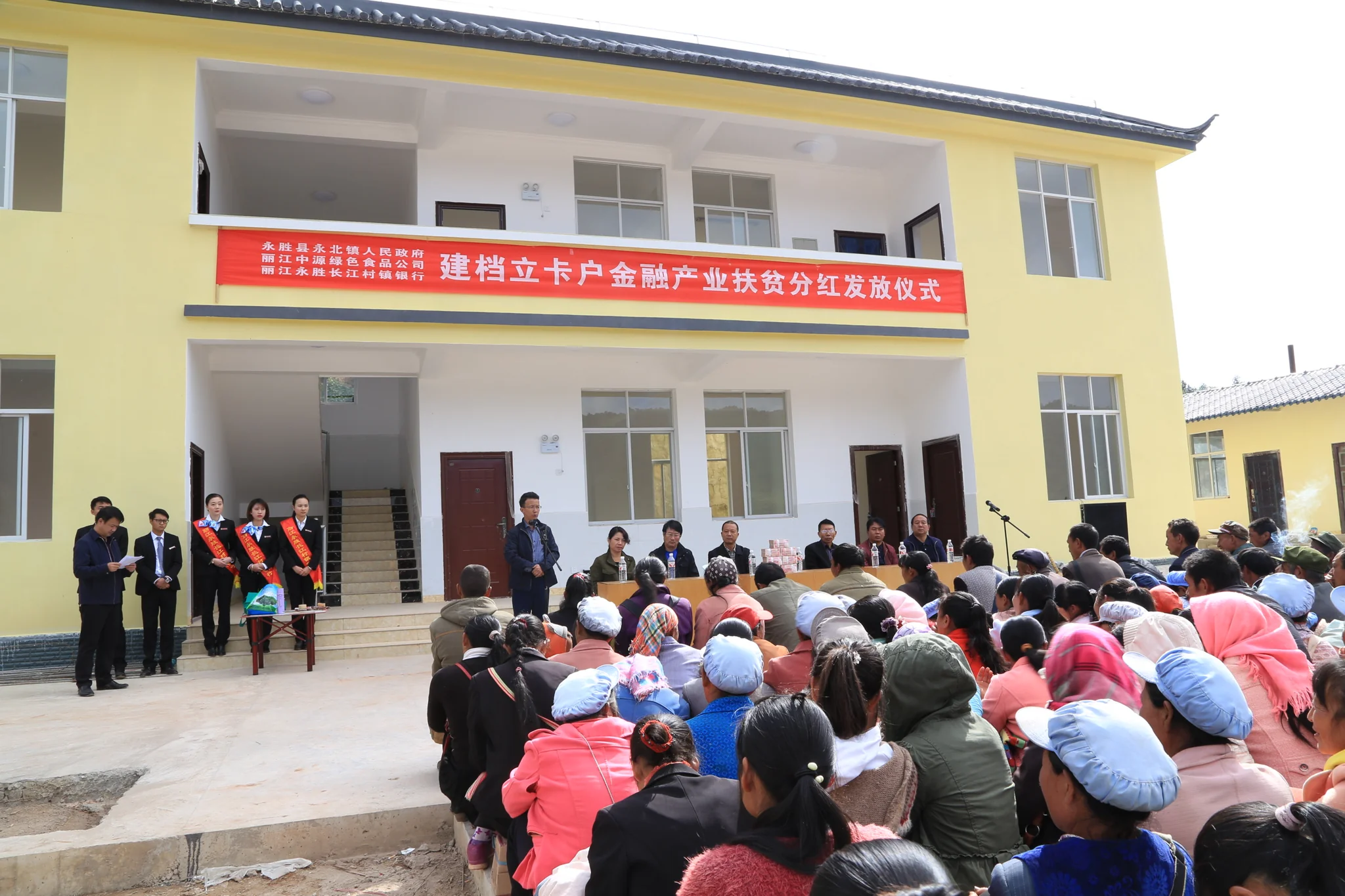
Through a development model connecting the company, cultivation bases, and farming households, Lijiang Zhongyuan helps farmers across all 15 townships in the county develop the mushroom industry and generate income from their land, labor, and other resources. It also works with village collectives and farmers in Diqing, Nujiang, Dali, and Wenshan to increase incomes through mushroom production. The company’s contribution to poverty alleviation has earned it recognition as a “Yunnan Advanced Collective for Poverty Alleviation” and a “Yunnan Star Enterprise for Poverty Alleviation.”
Science Education and Student Support
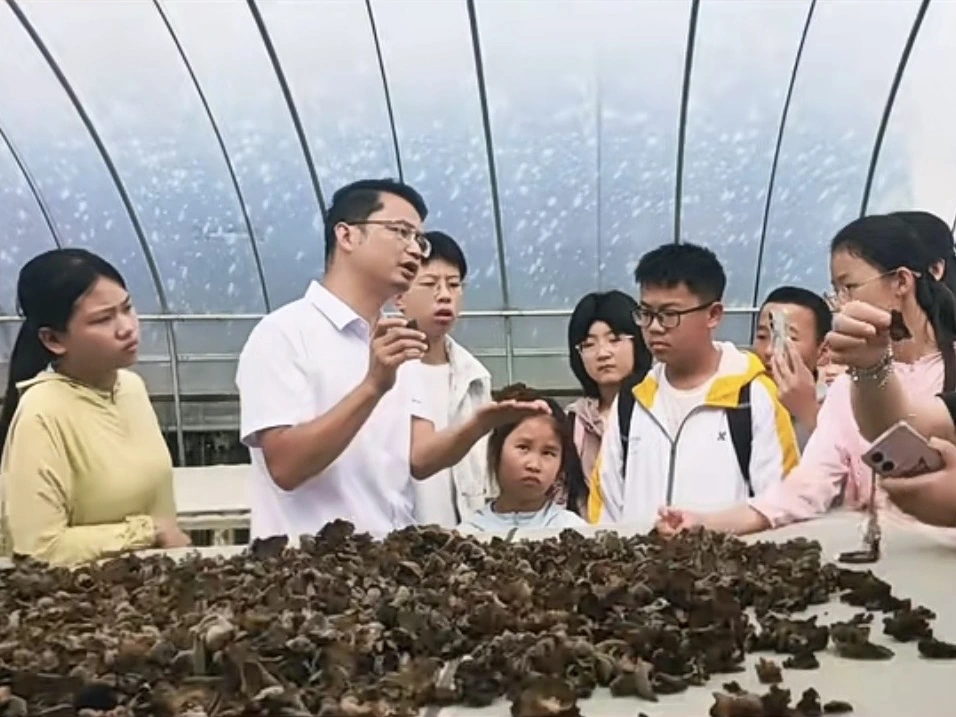
Drawing on its fungal germplasm resource library, youth science education and training base, and university partnerships, Lijiang Zhongyuan offers public mushroom science education, technical training, and hands-on learning. These activities share mushroom knowledge, develop skills, and connect businesses, universities, and research institutions.
The company supports students and works with schools to provide practical learning opportunities. Visits to production and research facilities help students understand the mushroom industry and connect classroom learning with practice.
Under-Forest Cultivation and Resource Conservation
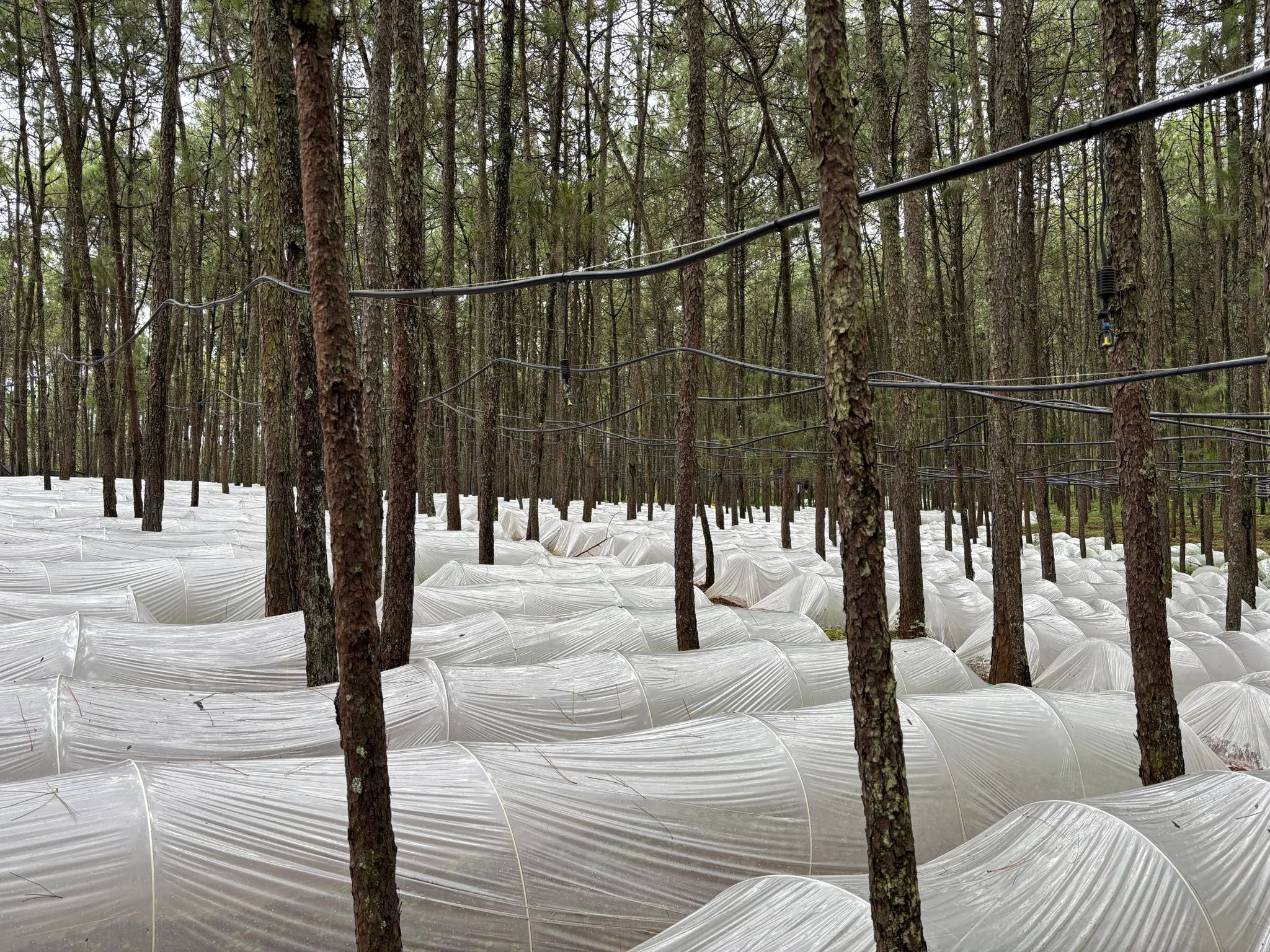
Drawing on Yunnan’s forests and mushroom resources, Lijiang Zhongyuan has established a 10,000-mu demonstration base for woodland mushroom cultivation that simulates natural growing conditions. Its work in conservation, propagation, and cultivation explores ways to grow mushrooms without competing with grain crops for land, while supporting forest resource use and rural development.
The company combines germplasm preservation, spawn breeding, and cultivation research with demonstration bases and partnerships with farmers. By connecting research and cultivation with processing and sales, it explores ways to support both mushroom resource conservation and industry development.
Exploring New Mycelium Materials
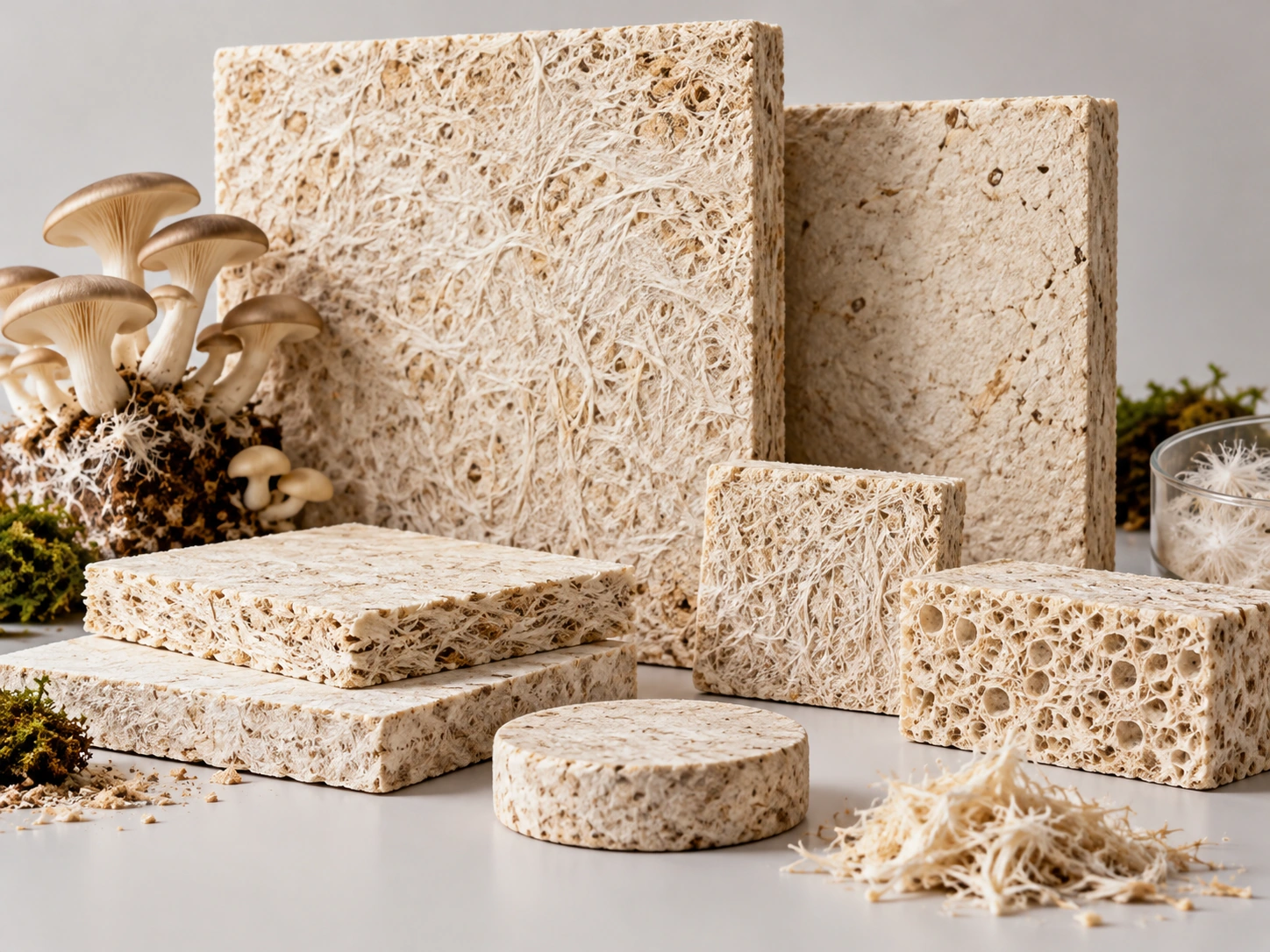
Through a university–industry partnership with the Design School of Yunnan Arts University, the company has established a teaching and practical training base to explore new sustainable mycelium materials and ecological design applications. Mycelium materials can be combined with agricultural biomass substrates, offering potential for resource reuse, lower-carbon material alternatives, and reduced carbon footprints over a material’s life cycle. Lijiang Zhongyuan continues to explore these green, low-carbon applications.